Chiral alcohols
Controlled stereochemistry, assay, and solvent profile for downstream active ingredient development.
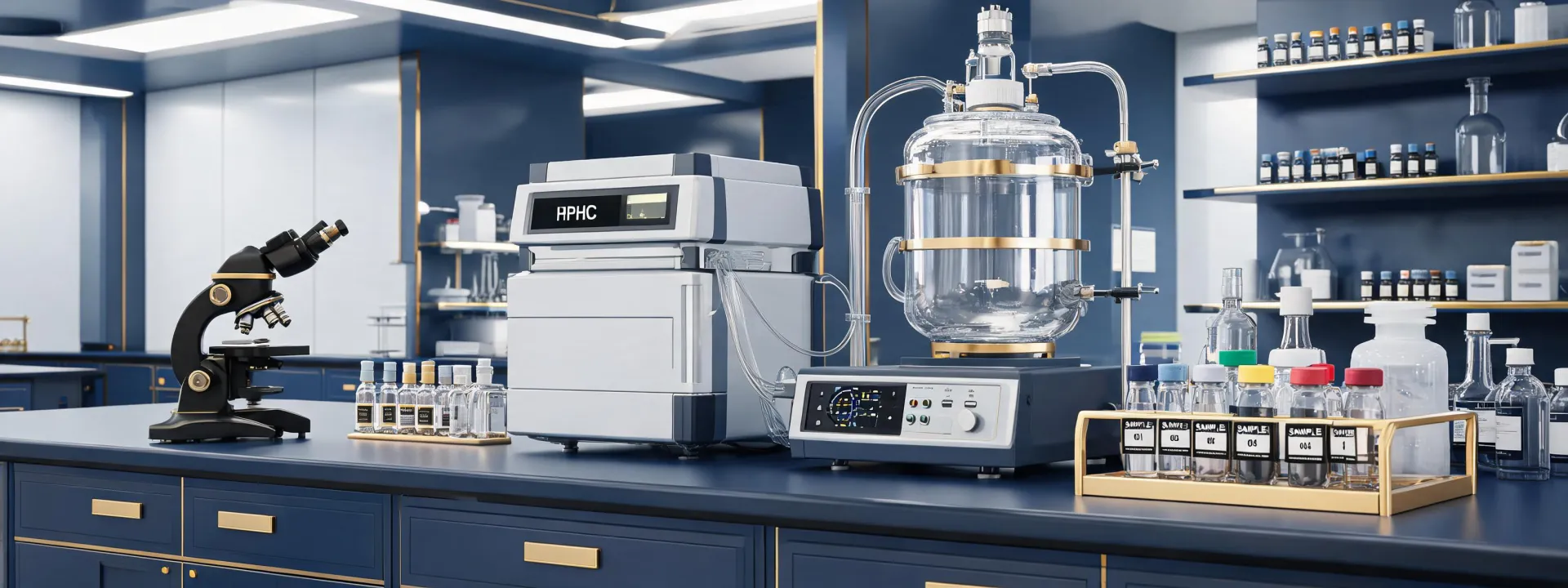
Iff supports regulated development programs where the molecule is important, the specification is evolving, and the supplier must understand both chemistry and documentation. Our service model begins with a technical disclosure review, then moves through reaction screening, impurity mapping, pilot campaign design, analytical transfer, and supply readiness. Each phase is written for decision makers who need clear evidence: what changed, why it changed, what risk remains, and which controls must be locked before the next batch.
Our custom synthesis team is strongest where physical handling, impurity behavior, and regulatory documentation are connected. We do not treat scale-up as a purchasing exercise. Chemists, QA reviewers, and production engineers review the route together so that a promising laboratory outcome can be translated into a reproducible plant procedure. Typical programs cover protected amines, heterocyclic building blocks, chiral intermediates, specialty esters, activated acid derivatives, and fine chemical reference materials. For each route we assess raw material availability, thermal behavior, solvent recovery potential, isolation method, and whether the analytical method can separate structurally similar impurities at realistic concentrations.
| Platform | Typical Scope | Control Focus |
|---|---|---|
| Condensation and coupling | Kg pilot batches to multi-ton campaign planning | Residual reagent, moisture, assay, and color |
| Hydrogenation and reduction | Selective conversion under defined catalyst handling rules | Metal residue, over-reduction, filtration profile |
| Crystallization and drying | Morphology transfer from bench to plant equipment | Particle size, solvent hold-up, polymorph screen |
| Protected intermediates | Custom molecules under buyer confidentiality | Related substances, identity, stability indicators |
Supplier qualification in pharma intermediates is slow when documentation arrives after the chemistry is complete. Iff reverses that order. Before a campaign is released, our team defines certificate fields, analytical method status, impurity naming conventions, storage conditions, transport classification, and change-control triggers. This makes downstream QA review more efficient because the product story is consistent from sample through commercial discussion. Where the buyer requires enhanced controls, we can align batch records, deviation logs, cleaning records, stability observations, and traceability summaries to the expectations of ICH Q7 and customer audit protocols.
For non-GMP fine chemicals, we keep the same discipline at an appropriate level. The goal is not to overstate certification; the goal is to make every statement testable. If a residual solvent target is provisional, it is marked provisional. If an impurity method needs validation, the status is visible. This directness helps technical teams decide faster and reduces commercial promises that production cannot support.
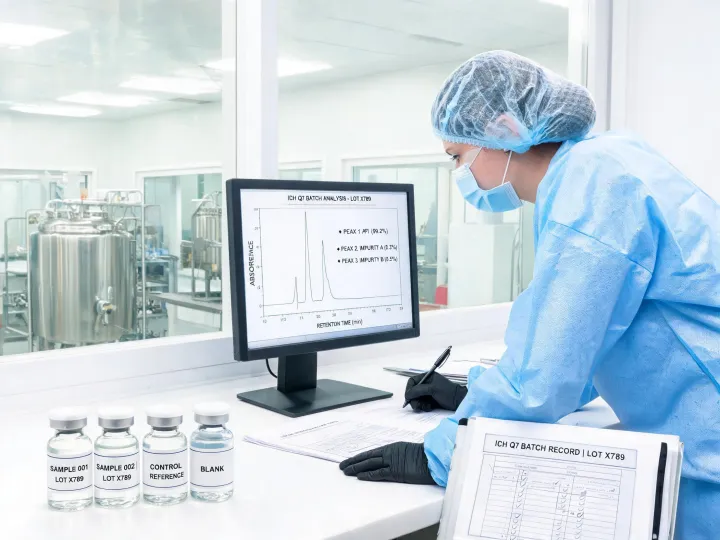
Controlled stereochemistry, assay, and solvent profile for downstream active ingredient development.
Nitrogen-rich structures with impurity mapping and route security review.
Intermediate families managed around deprotection risk and transport stability.
Moisture-sensitive derivatives with packaging and handling guidance.
Purity, color, odor, and residual catalyst controls for sensitive formulation work.
Small-volume fine chemicals supplied with clear identity and analytical traceability.
Our first response focuses on feasibility, documentation gaps, and the next technical question to resolve.